

The put up Designing for Tomorrow: How Accor’s Reema Diwan Is Redefining Sustainable Hospitality in India appeared first on TD (Travel Daily Media) Travel Daily Media.
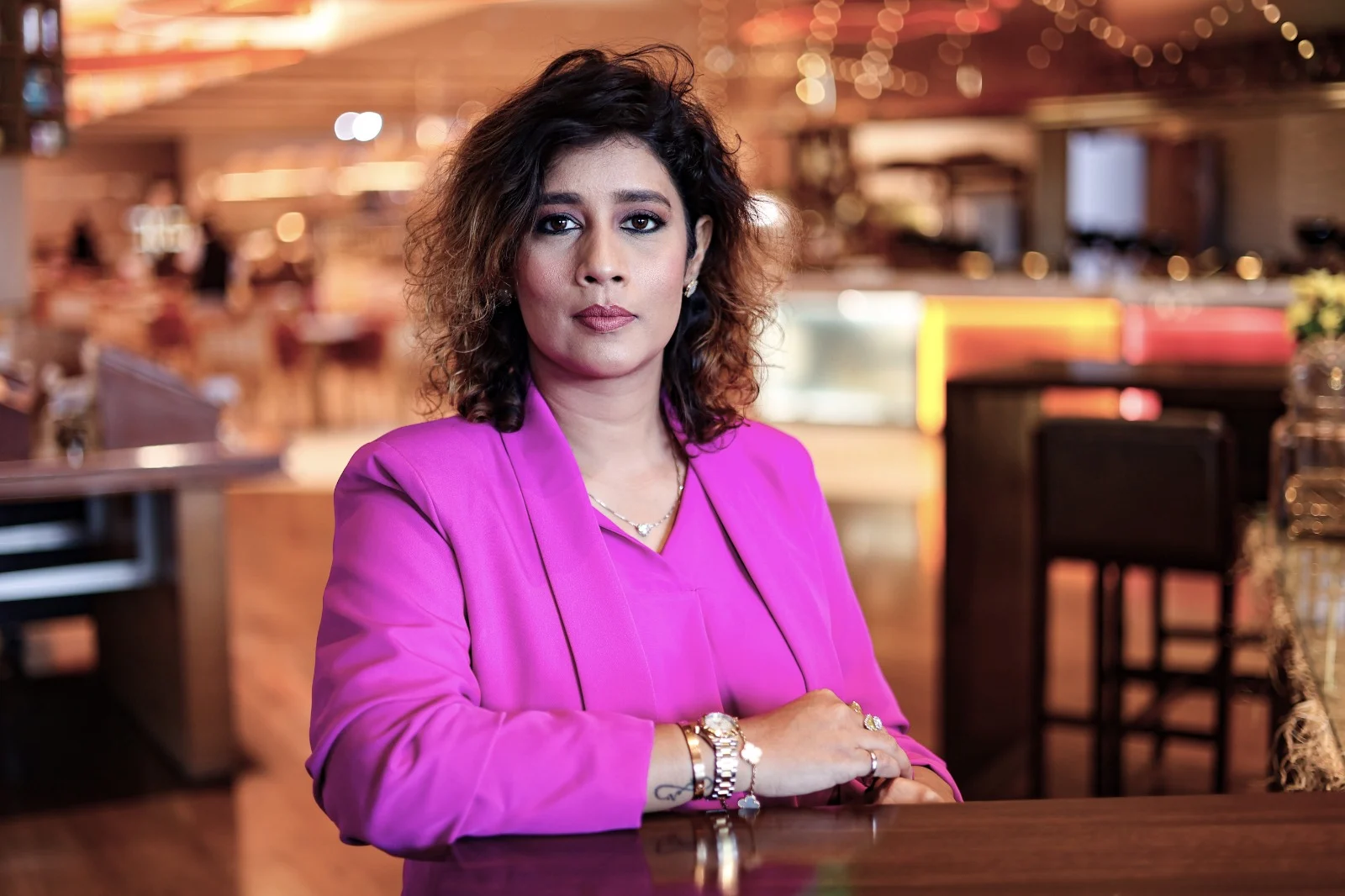
India’s cultural variety signifies that every vacation spot has its personal distinctive components to supply. Reema feels that sourcing regionally not solely encourages sustainable practices but in addition delivers an genuine and memorable visitor expertise that displays the true spirit of the area. Sustainable resorts are inclined to have decrease working prices because of energy- and water-efficient programs, diminished waste, and better-maintained property. In an interview with TDM, Reema Diwan, Vice President – Design & Technical Services at Accor India & South Asia shares extra on the evolving panorama hospitality—notably round sustainability, Hospitality and design innovation.
Travel Daily Media (TDM): With most travellers and corporates changing into extra discerning about sustainability, are you able to share with us how it’s being utilized to greenfield Accor initiatives in India?
Reema Diwan (RD): Sustainability is a non-negotiable core pillar for Accor, and in India, we guarantee it’s seamlessly built-in into each stage of our greenfield initiatives—from design to operations. We give attention to maximising vitality effectivity via sensible constructing orientation, façade design, and high-efficiency MEP programs, whereas additionally incorporating renewable vitality the place possible. In our current initiatives, now we have adopted progressive paints, finishes, and supplies that assist sustainability, and collaborated with native communities—an strategy that not solely empowers them but in addition brings genuine, sustainable worth to the mission. Notable examples embody the LEED-certified Pullman Chennai; Novotel Goa, Candolim, the place initiatives equivalent to a reside façade showcase sustainable design; and ibis Mumbai BKC, which options artwork created completely from recycled supplies. We additionally emphasise using low-impact, regionally sourced supplies, strong waste administration programs, and guest-facing initiatives equivalent to sensible room controls and diminished single-use plastics. This holistic strategy helps environmental duty, enhances long-term price effectivity, enriches the visitor expertise, and strengthens group influence.
TDM: What is being accomplished in phrases of redesigning and renovation for Accor resorts in India?
RD: We are dedicated to strategically planning the refurbishment of our resorts, embedding new initiatives that reinforce sustainability whereas enhancing the general visitor expertise. For occasion, many properties now characteristic clever dashboards to watch and information useful resource consumption, serving to us optimise vitality, water, and waste administration.
Renovation efforts additionally give attention to incorporating energy-efficient MEP programs, regionally sourced and low-emission supplies, and sustainable design components that scale back the environmental footprint. Beyond operational effectivity, these initiatives considerably enhance asset worth, modernise public and visitor areas, and reposition our manufacturers strongly in the market. Additionally, we combine native tradition and artwork wherever doable, creating distinctive, genuine experiences for our friends whereas supporting native communities and guaranteeing long-term sustainability advantages for each the lodge and its environment.
TDM: Kindly clarify sustainable progressive design in phrases of native procurement and cultural affect.
RD: India has advanced considerably and gives a wealth of progressive merchandise, permitting us to rely closely on native procurement. This strategy not solely brings native nuances into every mission, making it deeply tied to its location, but in addition helps construct a compelling story for friends as a part of the general design expertise.
An incredible instance is the ibis Styles Mysore, the place we embraced the theme of the town’s wealthy heritage and wove it all through the complete design. All supplies and finishes have been sourced regionally, making the lodge really distinctive to its location. India’s cultural variety signifies that every vacation spot has its personal distinctive components to supply. By sourcing regionally, we not solely encourage sustainable practices but in addition ship an genuine and memorable visitor expertise that displays the true spirit of the area.

TDM: Do share for our readers the present tendencies in phrases of sustainable design and innovation.
RD: Current tendencies in hospitality design are targeted on creating areas that not solely look good and really feel good, but in addition do good. Biophilic design is on the forefront, bringing nature indoors via cautious research of sunshine and wind, creating tactile, sustainable supplies that improve visitor well-being. This wellness-centric design goes past spa areas, integrating consolation, air high quality, ergonomics, and conscious spatial layouts into each nook of the lodge.
Today, consolation is the silent hero of design—friends might not at all times consciously discover it nevertheless it shapes their notion of the house, creating an intuitive sense of ease and satisfaction. At the identical time, sustainable supplies and energy-efficient programs are seamlessly woven into these designs, guaranteeing that resorts ship operational effectivity, environmental duty and a memorable, holistic expertise.
TDM: How would you clarify the advantages of a sustainable lodge mission which might price greater than a standard lodge to an impartial hotelier’s greenfield mission, who would ultimately get the property managed by Accor?
RD: I wouldn’t describe a sustainable lodge mission as essentially costing extra—if deliberate and executed appropriately, it could price the identical and even lower than a traditional construct. Achieving this requires meticulous planning, in depth research, and persistence to make sure the mission is positioned optimally, from design and supplies to vitality, water, and operational programs. While it calls for upfront effort, the long-term advantages are much more vital. Sustainable resorts are inclined to have decrease working prices because of energy- and water-efficient programs, diminished waste, and better-maintained property. They additionally appeal to the rising section of aware travellers, who actively select properties that align with their environmental and social values, enhancing occupancy, visitor satisfaction, and loyalty.
When the property is managed by Accor, these sustainability measures are absolutely leveraged via our operational experience, international requirements, and model presence. This not solely ensures easy execution but in addition strengthens the lodge’s market positioning, enhances model notion, and in the end improves asset worth and return on funding (ROI). In essence, embedding sustainability in a greenfield mission is not only environmentally accountable—it’s essentially commercially smarter, delivering a lodge that performs nicely immediately and stays aggressive and related in the longer term.
TDM: What is it that you just love in regards to the hospitality enterprise and your function in it? Any phrases of knowledge for kids aspiring to be in your footwear.
RD: I really feel really lucky to like what I do—it drives me day by day. The great thing about the hospitality enterprise is that no two days are the identical. Each mission brings a brand new design, a brand new positioning problem, and a chance to discover what extra may be achieved and what’s subsequent for the business. Over time, my expertise has grown past simply hospitality design—it now encompasses the strategic positioning of property, enhancing asset worth for homeowners, strengthening model recall for our firm, and contributing to constructing a greater future for our group.
My recommendation to kids aspiring to enter this discipline is to embrace steady studying, persistence, and a holistic perspective. Don’t simply give attention to design or operations in isolation; perceive how every determination impacts friends, homeowners, and the broader market. Be able to be taught repeatedly, adapt to new tendencies, and assume creatively. Most importantly, discover pleasure in the work you do—ardour is the gasoline that can maintain you thru challenges and make your journey each significant and rewarding.

TDM: Kindly share 10 suggestions for everybody to develop into sustainable in their every day lives.
RD: Here are 10 important suggestions for everybody to develop into sustainable in their every day lives:
- Practice conscious consumption: Buy solely what you really want
- Empower group
- Support native producers: select regionally sourced meals and items
- Minimise plastic use: give up single-use plastic and carry reusable baggage, bottles and containers
- Conserve assets, from water to vitality
- Embrace nature
- Protect native nature
- Reduce and compost waste
- Choose inexperienced transport: stroll, cycle or use public transit extra typically
- Stay knowledgeable and unfold consciousness
The put up Designing for Tomorrow: How Accor’s Reema Diwan Is Redefining Sustainable Hospitality in India appeared first on Travel Daily Media.
Source link
